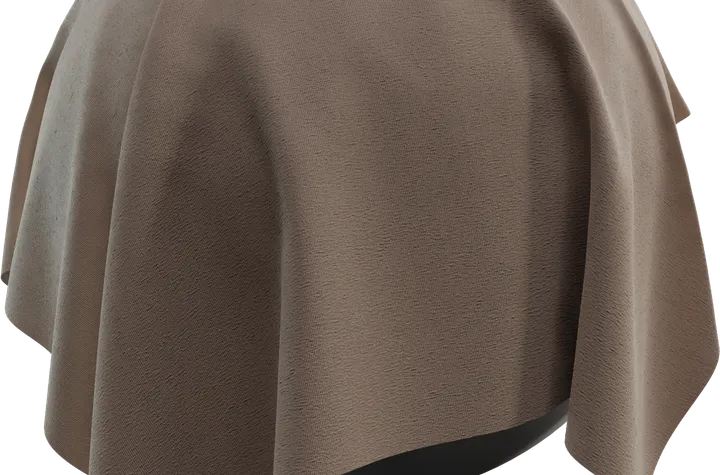
Illustrative textile image. Image details and credits.
Start with the fiber
Cotton and linen are plant fibers; wool and silk come from animal sources. Polyester belongs to the synthetic fiber family. A blend contains more than one fiber type. Those names describe materials, not a single construction. [fiber]
Woven: yarns crossing yarns
Weaving interlaces lengthwise warp yarns with crosswise weft yarns. Plain, twill and satin are weave structures. A weave name does not establish fiber content: the fiber and the arrangement of yarns are separate choices. [woven]
Knit: yarns forming loops
Knitting forms cloth through intermeshing loops. The loops can change shape, which contributes to stretch. This is why a knitted fabric can move differently from a woven one even when their fiber labels match. Knit construction alone does not specify an exact amount of stretch or recovery. [knit]
Read the label in layers
Practical editorial guidance
Our practical approach is to write down three separate questions. What fibers are listed, and in what proportions? Is the article woven, knitted or made another way? What care does the manufacturer specify? If a seller gives only a name such as “satin,” ask for the composition before deciding. If a seller gives only “cotton,” ask about construction and intended use.
Describe what is still unknown
Practical editorial guidance
A product description may also mention a finish, treatment or surface effect. Do not use that wording as a substitute for a composition label. When comparing swatches, keep a note of the actual product information alongside your own observations. Feeling smooth, looking shiny or stretching in your hand does not verify the fiber. Use the profiles as background, then evaluate the specific textile you are considering.
Related fabric profiles
Sources & review notes
Sources support the marked factual paragraphs. Practical suggestions are identified as editorial guidance; no original product testing is implied.
- University of Georgia Extension — Fiber types
Fiber families and the distinction between blends and combinations.
- CottonWorks — Weaving basics
Warp, weft and woven construction.
- CottonWorks — Knit basics
Intermeshing loops and construction-related stretch.
Last reviewed: . Suggest a correction.